
Convert Trial Lessons into Regular Students
A simple, repeatable system to help families say “YES!” with confidence
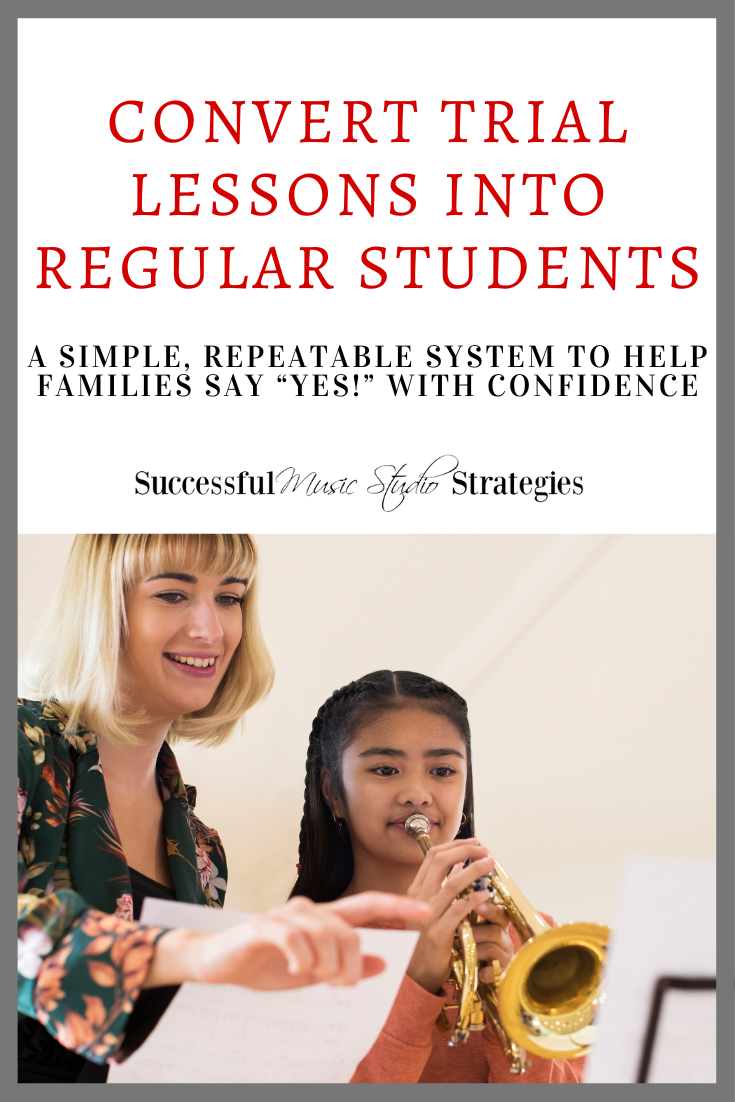
Trial lessons are one of the most powerful tools in your studio. They give families a chance to experience your teaching style, see quick progress, and understand the value of music lessons before committing. When you approach trials with clarity and intention, you turn curiosity into commitment — and build a studio full of motivated, long‑term students.
This post walks you through a three‑step system you can use at every trial lesson: a clear offer, a simple inquiry script, and a two‑week practice chart parents can use immediately.
Why Trial Lessons Matter
Parents make decisions quickly. They want to know:
• Will my child enjoy this?
• Will they learn something meaningful?
• Will this fit our schedule and budget?
A structured trial lesson answers all three questions without pressure. It shows professionalism, builds trust, and gives families a clear next step.
Tip 1: Set One Clear Trial Offer
A simple, predictable offer removes hesitation and makes it easy for parents to say yes.
What to include in your offer
• Lesson length: 30‑minute trial
• Price: fixed NOT discounted. Use your regular 30 minute lesson rate. Your time is your time regardless if it’s a trial or actual lesson.
• What they’ll learn: one warm‑up, one short piece, and a quick practice plan
• Next step: how to continue if it’s a good fit
Why this works
Parents don’t want to compare options or guess what’s included. A single, well‑defined offer feels professional and reduces decision fatigue.
Example line to use in messages or on your website:
“I offer a 30‑minute trial lesson where your child will learn a short piece and receive a two‑week practice plan.”
Tip 2: Use a Simple 3‑Step Inquiry Script
A consistent script helps you sound confident, saves time, and ensures every family gets the same warm, clear introduction.
The 3‑step script
1. Greet
“Hi, I’m [your name] — thanks so much for reaching out about lessons.”
2. Explain the trial
“Our trial is 30 minutes. We’ll warm up, learn a short piece, and I’ll send you a two‑week practice chart to get started.”
3. Confirm availability
“Which weekday afternoons work best? I have openings on Tuesday and Thursday this week.”
Why this works
It keeps the conversation short, friendly, and focused on next steps — exactly what busy parents need.
Tip 3: Give Parents a Printable Two‑Week Practice Chart
A practice chart is one of the easiest ways to show value immediately. It helps students start strong and gives parents a clear way to support progress at home.
How to use it
• Hand it out at the end of the trial
• Or email it within 24 hours
• Ask families to bring it to the next lesson
Why it works
Parents see structure. Students see progress. You look organized and intentional — which builds trust and increases enrollment.
Two‑Week Practice Chart
What to Say After the Trial (Follow‑Up Script)
Send this within 24 hours:
“Thank you for coming today! [Student name] did a great job learning the short piece. If you’d like to continue, I have weekly 30‑minute lessons available on [days/times]. I’ve attached a two‑week practice chart to help you get started. Let me know which time works best and I’ll reserve your spot.”
Why this worksIt reinforces progress, offers clear next steps, and makes scheduling easy — all without pressure.
Your Trial Lesson Checklist
Use this at every trial to stay consistent:
• Confirm the offer at the start
• Teach one quick win
• Give the practice chart
• Send the follow‑up message within 24 hours
• Offer 2–3 specific time slots
Final Thoughts
A great trial lesson isn’t about perfection — it’s about clarity, structure, and a small win that builds confidence. When families leave knowing exactly what to expect and how to continue, enrollment becomes natural and stress‑free.
Happy Teaching!
Becky